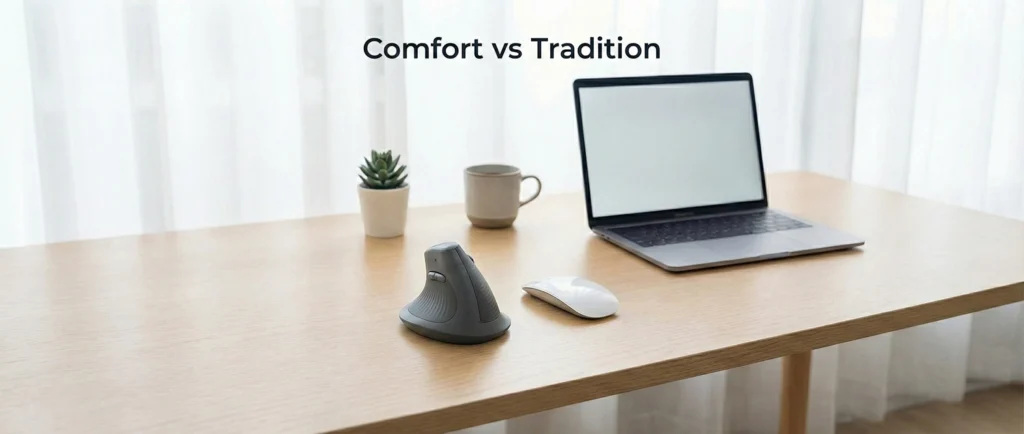
Choosing between a vertical mouse and a standard mouse necessitates an understanding of the ergonomic benefits and user experiences associated with each. With an increasing number of individuals spending long hours on computers, selecting a mouse that promotes comfort and reduces strain is critical. This article examines the unique characteristics of vertical mice in comparison to traditional mice.
Ergonomic Benefits of Vertical Mice
Vertical mice are designed to position the hand in a more natural handshake orientation, aiming to minimize wrist torsion. This design can significantly reduce the risk of repetitive strain injuries (RSIs). Users transitioning to vertical mice frequently report a decrease in discomfort, particularly beneficial for those experiencing existing wrist issues.
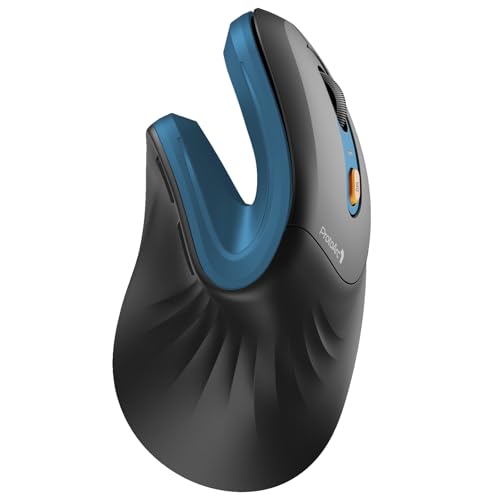
- Vertical ergonomic mouse for pain relief
- Connects up to 3 devices
- Silent clicking + adjustable DPI
- Lightweight and travel-friendly
- Excellent wrist comfort and ergonomic design
- Multi-device Bluetooth + USB support
- Quiet, smooth clicks
- USB-C rechargeable battery
- Outstanding value vs premium competitors
- Not ideal for large hands
- Side buttons don’t work on macOS
- Requires short adjustment period
User Experience Transition
The transition from a standard mouse to a vertical mouse often involves a learning curve. Users typically experience an adjustment period lasting about one week. Initial discomfort may arise as the hand adapts to the new positioning. Following this period, many users report a preference for the ergonomic posture provided by vertical mice, enhancing overall comfort during computing tasks.
- Vertical ergonomic “handshake” design helps reduce wrist and forearm strain during long work sessions
- Adjustable DPI levels (800 / 1200 / 1600) offer good control for everyday productivity
- Dedicated forward/back buttons improve web browsing efficiency
- Excellent value for money compared to premium vertical mice
- Reliable wireless performance and solid build quality from Anker
- Uses USB receiver only (no Bluetooth support)
- Requires AAA batteries instead of being rechargeable
- Basic feature set, not ideal for advanced productivity or creative workflows

- Ergonomic 57° vertical design significantly reduces wrist pressure and muscle strain during long use
- High-precision 4000 DPI sensor minimizes hand movement and fatigue, with quick DPI switch for accuracy
- Multi-device support lets you seamlessly switch between up to 3 Windows or macOS computers
- Comfortable, textured surface with a natural handshake grip ideal for medium to large hands
- Premium price compared to standard wireless mice
- Designed only for right-handed users, limiting accessibility
- Takes time to adjust if you’re switching from a traditional flat mouse

Diverse Ergonomic Options
The marketplace for computer mice is continuously evolving, presenting a variety of ergonomic solutions. Options include traditional ergonomic mice, vertical designs, and trackball mice, enabling consumers to find suitable selections based on hand size, grip style, and individual ergonomic needs. This diversity allows users to make informed choices tailored to their specific requirements.
Consumer Choices: Popular Models
Several vertical mice have gained recognition for their ergonomic designs and user-focused features. The Logitech MX Vertical and Logitech Lift are frequently noted preferences among users. These models offer high levels of comfort and usability for extended periods, catering to various hand sizes and financial considerations. Assessment of personal needs is vital when selecting from these options.
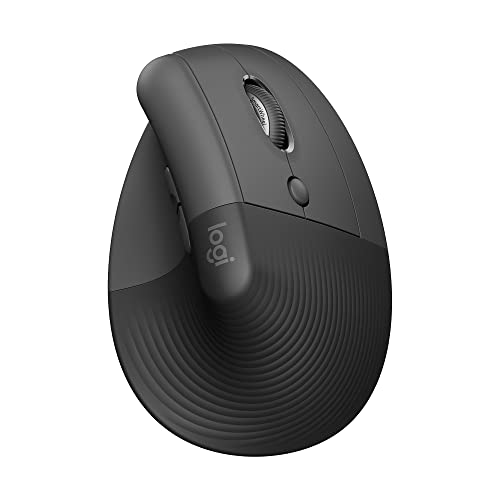
- 57° vertical ergonomic design promotes a natural forearm position and reduces wrist strain
- Quiet clicks and SmartWheel scrolling make it ideal for offices and shared workspaces
- Comfortable shape with soft textured grip, perfect for small to medium hands
- Supports Bluetooth and USB receiver with compatibility across Windows, macOS, and iPadOS
- Available in both right-handed and left-handed versions from Logitech
- Not ideal for users with large hands who may prefer a bigger mouse
- Fewer advanced buttons compared to premium productivity mice
- Requires an adjustment period if switching from a traditional mouse
Comfort Over Time: User Feedback
As users acclimate to vertical mice, many report that traditional mice can feel uncomfortable by comparison. One user noted difficulty transitioning back to standard mice after using a vertical model, suggesting that vertical mice can provide enhanced comfort over time. Additionally, anecdotal evidence indicates that individuals with conditions like carpal tunnel syndrome have noted improvements after switching to a vertical mouse.
Finding Left-Handed Options
For left-handed users, obtaining an ergonomic mouse can be more challenging due to limited options. Most vertical mice are predominantly designed for right-handed users, creating a market gap for left-handed ergonomic products. This highlights the necessity for more inclusive designs as ergonomic trends develop.
Vertical Mouse vs. Standard Mouse: Side-by-Side Comparison
| Feature | Vertical Mouse | Standard Mouse |
|---|---|---|
| Wrist Position | Neutral handshake | Twisted (pronation) |
| Learning Curve | 3–7 days | None |
| Ergonomics | Excellent | Moderate to Poor |
| Gaming Precision | Moderate | Excellent |
| Office Productivity | Excellent | Good |
| RSI Prevention | High | Low–Moderate |
Who Should Choose a Vertical Mouse?
- Office professionals working 6–8+ hours daily
- Remote workers experiencing wrist or forearm fatigue
- Users recovering from RSI or carpal tunnel symptoms
- Designers & writers prioritizing comfort over speed
Who Should Stick With a Standard Mouse?
- Competitive gamers (FPS, MOBA)
- Users who frequently switch devices
- Short-session users (<2–3 hours/day)
This makes the article decision-focused, not just informative.
Conclusion
The choice between a vertical mouse and a standard mouse largely depends on individual ergonomic requirements and preferences. Vertical mice offer substantial ergonomic benefits and can enhance user comfort but may require an initial adjustment period. For those who engage in extended computer usage, investing in a quality ergonomic solution may be advantageous for wrist health.
FAQ:
What are the main benefits of using a vertical mouse?
Vertical mice can decrease wrist strain and discomfort by ensuring a natural handshake position.
How long does it take to adjust to a vertical mouse?
Users generally take about one week to adjust, leading to a preference for the ergonomic posture it offers.
Are there suitable options for left-handed users?
While there are options available, left-handed ergonomic mice are less prevalent, indicating a market gap.
What should I consider when choosing between mouse types?
Considerations include hand size, grip style, and specific ergonomic requirements.
Can users with wrist issues benefit from vertical mice?
Yes, many individuals report improvements in conditions such as carpal tunnel syndrome following the transition to a vertical mouse.
What are some popular vertical mouse models?
The Logitech MX Vertical and Logitech Lift are commonly recognized as top choices, noted for their comfort and usability.
🔗 Related Articles You May Find Useful
- Improve your workspace efficiency with smart productivity gadgets for office work designed to support long hours at your desk.
- Discover a detailed review of an ergonomic vertical mouse for wrist pain and how it compares to traditional mouse designs.
- Keep your setup clean and comfortable by mastering under-desk cable management solutions for a clutter-free ergonomic workspace.
- Explore a curated list of innovative tech products for everyday use that enhance comfort, efficiency, and modern living.
- Turn your iPhone into a high-speed storage and docking station using a magnetic SSD for faster file access.
- If you’re dealing with hidden dust, allergens, or dust mites in your bed, check out our full FEPPO mattress vacuum cleaner review where we test how well this UV-powered cleaner deep-cleans mattresses and sofas.